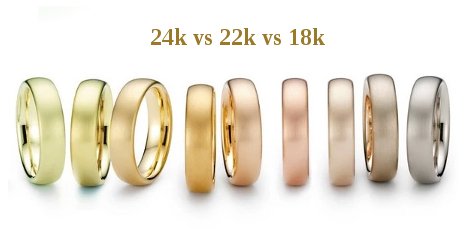
Understanding Gold Purity: 18K vs 22K vs 24K Explained
Gold purity plays an important role when choosing jewelry, as it affects durability, appearance, and everyday usability. Understanding the difference between 18K, 22K, and 24K gold helps you make an informed decision that suits your lifestyle and preferences.
What Does Gold Karat Mean?
Gold purity is measured in karats (K). Pure gold is 24K, meaning it contains 100% gold. Lower karat gold is mixed with other metals to improve strength and durability.
18K Gold
18K gold contains 75% pure gold mixed with other metals. It is strong, durable, and ideal for everyday wear jewelry such as rings, bracelets, and earrings. It offers a beautiful balance between purity and durability.
22K Gold
22K gold contains about 91.6% pure gold. It has a rich golden color and is commonly used for traditional and special-occasion jewelry. While more pure than 18K, it is softer and best suited for necklaces and occasional wear.
24K Gold
24K gold is 99.9% pure gold. It has the brightest yellow tone and is highly valuable. However, it is very soft and not ideal for everyday jewelry. It is mostly used for investment or ceremonial pieces.
Conclusion
Choosing the right gold purity depends on how often you plan to wear your jewelry. For durability, 18K is ideal. For rich color and tradition, 22K is preferred. For purity and value, 24K stands unmatched.